PP Woven Bags: A Deep Dive into Properties, Types & Uses
PP Woven Bags: A Deep Dive into Properties, Types & Uses
Polypropylene (PP) woven bags have become indispensable in various industries, from agriculture and food packaging to chemicals and construction. Understanding what PP woven bags are, how they are manufactured, and their various types and applications will help businesses make informed decisions. This article provides a comprehensive overview of PP woven bags and how EuP Egypt’s PP filler masterbatch plays a critical role in enhancing their quality and production efficiency.
1. What are PP Woven Bags?
PP woven bags are made from polypropylene, a thermoplastic polymer that is widely used in packaging due to its lightweight, high strength, and durability. These bags are created by weaving polypropylene tapes or threads into a fabric, which is then cut and sewn into the desired bag shape. The woven structure of the fabric gives these bags their unique properties, such as high tensile strength, flexibility, and resistance to damage from moisture and chemicals.
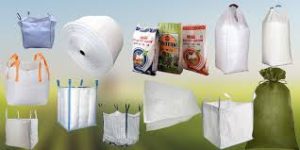
PP woven bags are highly customizable, with options for different sizes, shapes, and features to suit specific applications. They are commonly used for packaging products like grains, fertilizers, chemicals, cement, and animal feed. The bags can be laminated for added protection against moisture, or they can be printed with branding and product information to enhance their market appeal.
2. Manufacturing Process of PP Woven Bags
The manufacturing process of PP woven bags involves several steps, each crucial in creating a durable and reliable product. Understanding this process is essential for businesses that require high-quality packaging solutions.
2.1. Extrusion of PP Resin
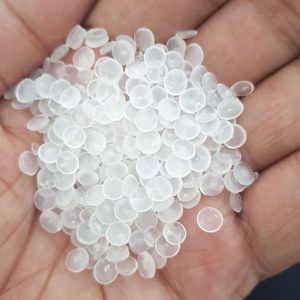
The first step in the manufacturing process is the extrusion of polypropylene resin. PP resin, which comes in the form of small beads or pellets, is fed into an extruder machine. The extruder heats the resin to temperatures between 200 and 300 degrees Celsius, melting it into a molten polymer. This molten polymer is then passed through a spinneret, which forms it into thin, flat tapes or yarns. The quality and consistency of these tapes are critical, as they form the basis of the woven fabric.
2.2. Tape Formation and Stretching
After extrusion, the molten polymer is cooled and stretched to align the polymer molecules, a process that increases the strength and durability of the tapes. The stretching process also controls the thickness of the tapes, which directly influences the final properties of the woven fabric. These tapes are then wound onto bobbins, ready for the weaving process.
2.3. Weaving Process
The woven fabric is created by interlacing the stretched tapes using a loom. The weaving process can be done on either a circular loom, which produces tubular woven fabric, or a flat loom, which creates flat woven fabric. The choice of loom depends on the desired shape of the final bag. The woven fabric produced by this process is strong, flexible, and capable of withstanding the rigors of industrial use.
2.4. Cutting and Sewing
Once the woven fabric is produced, it is cut into panels of the desired size for the bags. These panels are then sewn together using high-speed sewing machines. Special threads and needles are used to ensure that the stitching is strong and durable. The bags are stitched in a way that leaves the top open, allowing them to be easily filled with products. This step ensures the structural integrity and functionality of the bags.
2.5. Finishing and Quality Control
After cutting and sewing, the bags undergo finishing processes such as lamination or printing. Lamination involves applying a thin layer of polyethylene (PE) film to one or both sides of the woven fabric, which enhances the bag’s resistance to moisture and extends its lifespan. Printing, often done using a flexographic printing process, allows for the addition of logos, branding, and product information, making the bags more attractive and functional.
Finally, each batch of bags undergoes rigorous quality control checks to ensure they meet the required standards. These checks may include testing for tensile strength, load capacity, and resistance to wear and tear. Only bags that pass these tests are approved for sale and distribution.
3. Types of PP Woven Bags
PP woven bags come in various types, each designed to meet specific needs and applications. Here are the most common types of PP woven bags:
PP woven bags are highly versatile and come in several different types, each offering unique advantages and drawbacks. To help you select the right polypropylene woven bag for your business, we’ve detailed the most common types below, along with their pros and cons.
3.1. Traditional PP Woven Bags
Traditional PP woven bags are the standard type of polypropylene bags made from plain woven polypropylene fabric. These bags are widely used for packaging bulk products such as grains, seeds, fertilizers, and other industrial materials. Their durability and cost-effectiveness make them popular across various industries.
Pros:
- Good Durability: They offer excellent strength, making them suitable for carrying heavy loads without tearing.
- Versatile Uses: Can be used for packaging a wide range of products, from agricultural supplies to construction materials.
- Cost-Effective: Affordable for businesses needing to package large quantities of products.
Cons:
- Limited Sun Protection: Prolonged exposure to sunlight can degrade the material, affecting its durability.
- Limited Moisture Resistance: Not highly resistant to moisture, which may affect the quality of contents.
- Lack of Resealable Feature: These bags are typically not resealable, making them less convenient for products that need to be reopened multiple times.
3.2. PP Woven Bags Laminated with Film
PP woven bags laminated with a film layer provide enhanced resistance to external elements. The additional lamination layer improves the bag’s ability to protect against moisture, humidity, and environmental factors, making them ideal for products requiring extra protection.
Pros:
- Additional Strength: The lamination layer enhances the overall strength and durability of the bag.
- Improved Brand Impression: Laminated bags offer a smooth surface for high-quality printing, making them ideal for branding.
- Impressive Protection Properties: They offer better protection against moisture and other environmental elements compared to non-laminated bags.
Cons:
- Limited Breathability: The lamination reduces the breathability of the bag, which may not be suitable for some perishable goods.
- Quite Expensive: The added lamination process increases the production cost, making these bags more expensive than traditional PP woven bags.
- Less Flexible: Laminated bags can be less flexible and harder to handle than non-laminated options.
3.3. BOPP Laminated PP Woven Bags
Biaxially Oriented Polypropylene (BOPP) laminated PP woven bags are highly popular in the food packaging industry. These bags feature an additional layer of BOPP film, which provides superior strength, clarity, and printability. BOPP bags are widely used for packaging pet food, seeds, and various food products.
Pros:
- Exceptional Strength: BOPP laminated bags are extremely strong, offering enhanced durability for heavy loads.
- Improved Brand Presentation: The BOPP film allows for high-quality, multi-color printing, giving the bags a more premium look that can boost brand image.
- Value for Money: The combination of strength, durability, and printability provides excellent value for businesses.
Cons:
- Limited Breathability: Like other laminated bags, BOPP laminated bags have reduced breathability, which may not be ideal for packaging products that require air circulation.
- Reduced Stiffness: The lamination process can make the bag less stiff, which may affect its ability to stand upright.
- Specific Recycling Requirements: The presence of multiple layers can complicate the recycling process, requiring special handling.
3.4. PP Woven Bags with PE Liner
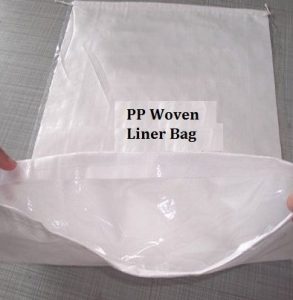
PP woven bags with a PE (Polyethylene) liner are designed for applications where additional moisture resistance and leak protection are required. The PE liner acts as a secondary barrier inside the bag, making it suitable for packaging fine powders, chemicals, and other sensitive materials.
Pros:
- Enhanced Protection: The PE liner provides excellent protection against moisture and leaks, making these bags ideal for sensitive and fine-grained products.
- Versatility: These bags can be used for a wide range of applications, from packaging chemicals to food products.
- Customizability: Like other PP woven bags, they can be customized with printing and lamination options.
Cons:
- High cost: The addition of a PE liner increases the cost of production, making these bags more expensive than standard PP woven bags.
- Recycling Complexity: The combination of different materials (PP and PE) can complicate the recycling process.
3.5. Gusseted Bags
Gusseted PP woven bags feature additional material on the sides that allow the bag to expand, providing more space for bulkier items. These bags are often used in industries such as agriculture, where they are ideal for packaging grains, seeds, and animal feed.
Pros:
- Increased Capacity: The gusseted design allows the bag to expand, making it ideal for packaging bulkier items.
- Stable Base: The gussets create a flat base, allowing the bag to stand upright, which improves storage and handling.
- Customizable: Gusseted bags can be customized with lamination, printing, and other features to suit specific needs.
Cons:
- Higher Production Cost: The added complexity of the gusseted design increases production costs.
- Reduced Durability: The seams created by the gussets may be less durable than the rest of the bag, especially under heavy loads.
3.6. Block Bottom Bags
Block bottom PP woven bags, also known as square bottom bags, feature a flat, rectangular base that provides excellent stability. These bags are ideal for packaging products that need to remain upright, such as flour, sugar, and other food items.


PP Woven Bags are an excellent choice for durability and versatility. I've used PP woven shopping bag for packaging and storage, and they hold up impressively under pressure. Their tear-resistant material and reusable nature make them both eco-friendly and cost-effective. Whether for agricultural use or daily household needs, PP Woven Bags deliver great value. I highly recommend them to anyone looking for strong, long-lasting packaging solutions. Overall, a reliable product that exceeds expectations in quality and performance.
ReplyDeletePlanter Bags are a perfect solution for home gardening and small-scale farming. These bags are durable, reusable, and easy to handle, making them ideal for growing vegetables, herbs, and flowers. I’ve been using Non woven bags manufacturers for a few months now, and the results are amazing! The plants grow healthier, and the drainage is just perfect. If you’re looking for a smart way to garden in limited space, Planter Bags are definitely worth trying. Highly recommended!
ReplyDelete